Board game
Inis
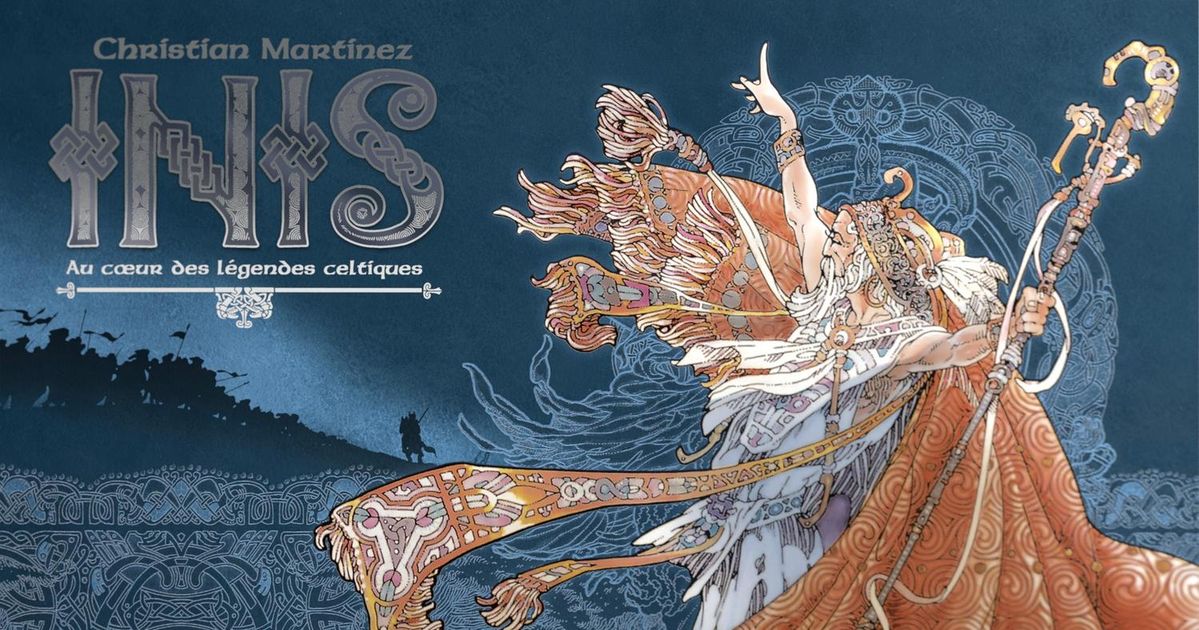
I judged this one by its cover, more or less, grabbed it off a shelf on the strength of the Jim Fitzpatrick artwork alone and only found out later that was basically the intended experience, plenty of people came to Inis the same way and stayed for reasons that had nothing to do with the art. It’s an area control game where you’re expanding a celtic clan across an island, drafting four action cards a round, and the twist that took me a while to actually internalize is that outright military domination is one of three win conditions and usually the worst one to chase. You can win by having the most territories, the most connected settlements, or the most different clans present in one territory, and reading the table well enough to see which of those you’re closest to is most of the game.
What surprised me is how little of the box you actually touch in a given turn, four cards in hand, simple individual actions, and yet the depth people talk about is real, it comes from reading what everyone else is drafting toward and adjusting rather than from a pile of rules. That’s a component-to-rule ratio I respect, a lot of games this pretty bury you in exceptions and Inis mostly doesn’t. The one place it wobbled for me is player count, three felt tighter and more legible than four, at four the politics get murkier and it’s easier to end up reacting to two people’s fight instead of running your own plan.
The tension people describe, where the choice between passing early or greedily drafting one more card actually matters, is real and it’s the best thing here. I’ve had games decided by someone correctly guessing which epic tale card I was sitting on based on nothing but my territory shape. That’s the emergent story this game is actually selling, not a printed narrative, just the shape of six rounds nobody could have scripted in advance.
#boardgames #4outof5 331 words